The psychology of gambling understanding the thrill and risk behind the game
The Allure of Gambling
The world of gambling is captivating, drawing millions of individuals into its colorful embrace. The thrill of placing a bet, in the midst of exploring the online casino australia, the anticipation of a win, and the excitement of the game create a unique psychological high. This allure often stems from the potential for instant gratification and the possibility of significant financial rewards. Such experiences trigger the brain’s reward system, releasing dopamine and inducing feelings of pleasure.
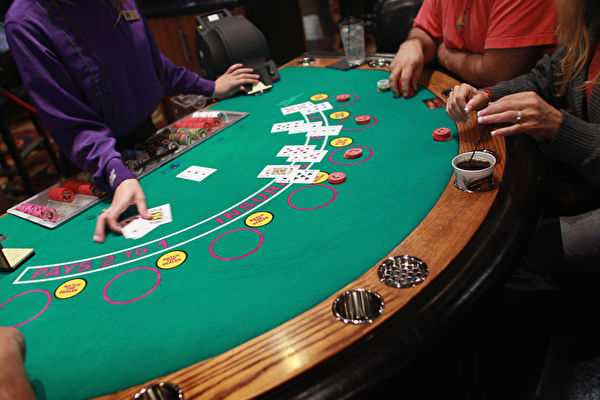
Moreover, the social aspect of gambling cannot be overlooked. Many people flock to casinos and betting venues not just for the games but for the camaraderie and shared experiences with fellow gamblers. This social interaction further enhances the thrill, making gambling a communal activity that appeals to our innate desire for connection and enjoyment.
The Risk Factor in Gambling
While the excitement of gambling is undeniable, it comes hand in hand with significant risks. The inherent uncertainty in games of chance can lead to substantial losses, which may result in feelings of regret and despair. This juxtaposition of thrill and risk is what makes gambling so psychologically complex. Gamblers often overestimate their chances of winning, a phenomenon known as cognitive bias, which can lead to irrational decision-making.
Additionally, the financial stakes involved can escalate quickly, leading some individuals to gamble beyond their means. This behavior can result in devastating consequences, including financial ruin and strained relationships. Understanding the risks associated with gambling is essential for maintaining a healthy relationship with this form of entertainment.
Several psychological triggers play a crucial role in the gambling experience. One primary factor is the concept of ‘near misses,’ where players come close to winning but ultimately lose. These near misses can create a false sense of hope, encouraging gamblers to continue playing in pursuit of that elusive win. This cycle can perpetuate gambling behavior, leading individuals to chase their losses.
Moreover, the environment in which gambling takes place can heighten emotional responses. Bright lights, sounds, and the presence of other enthusiastic players can amplify excitement, making it difficult for individuals to assess their behavior critically. These sensory stimuli reinforce the desire to continue gambling, often overriding rational thought.
Understanding the psychological aspects of gambling underscores the importance of responsible gambling practices. Education and awareness are key to mitigating the risks associated with this activity. By fostering a culture of responsibility, individuals can enjoy the thrill of gambling while minimizing potential negative consequences.
Implementing self-regulation techniques, such as setting limits on time and money spent, can aid in maintaining control. Additionally, seeking support from peers or professional resources can provide guidance for those who may struggle with gambling-related issues. Acknowledging the psychological triggers and risks associated with gambling is crucial for creating a balanced approach to this popular pastime.

About Our Website
Our website is dedicated to providing comprehensive information on gambling and its psychological implications. We aim to educate users about the risks and rewards involved, fostering a more informed and responsible gambling community. By exploring the intricacies of gambling psychology, we hope to empower individuals to make sound decisions while engaging in this activity.
In addition to informative articles, we offer support resources for those seeking assistance with gambling-related challenges. Understanding the psychological dynamics of gambling is essential for promoting safer practices and ensuring that this form of entertainment remains enjoyable for everyone involved.
“`