
The Allure of Chance
The psychology of casino gambling is deeply rooted in the concept of chance and risk. For many, the excitement of not knowing whether they will win or lose is a significant draw. This unpredictability can trigger a rush of adrenaline, making the experience more thrilling. The anticipation built around each spin of the slot machine or roll of the dice creates a psychological high that players often chase, and non gamstop casino options can enhance that experience, which can lead to repeated visits to the casino.
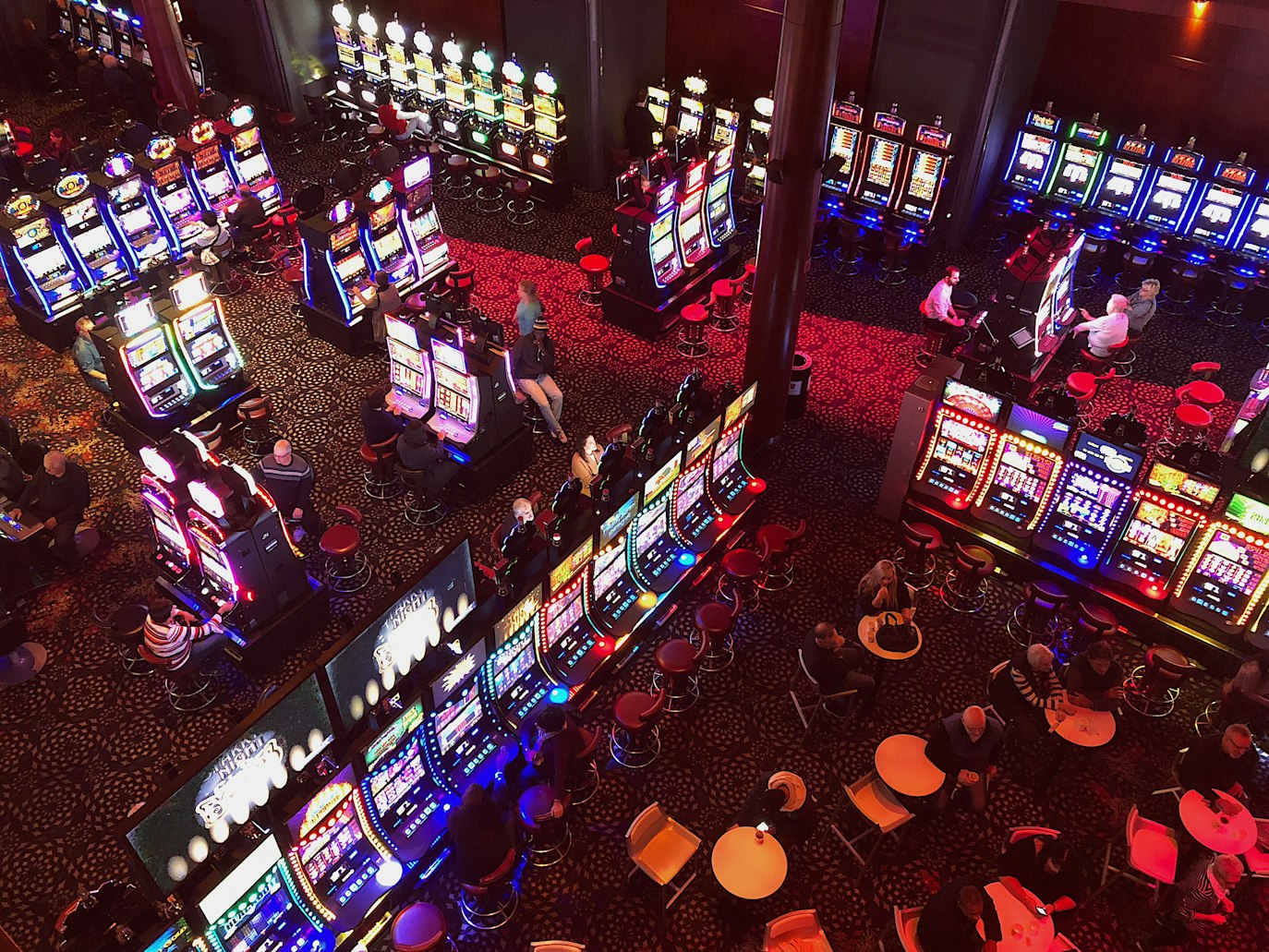
Moreover, the environment of casinos enhances this allure. The bright lights, vibrant sounds, and the atmosphere filled with hope and excitement contribute to a sensory experience that can be intoxicating. This immersive environment is designed to keep players engaged and prolong their gambling sessions, ultimately influencing their psychological state and decision-making processes.
Reward Mechanisms and the Brain
Casino gambling captivates the brain through reward mechanisms deeply embedded in our psychology. The prospect of winning activates the brain’s reward pathways, releasing dopamine, the neurotransmitter associated with pleasure and satisfaction. This chemical reaction reinforces gambling behavior, encouraging individuals to return for more, despite the potential for loss.
Additionally, the intermittent reinforcement schedule common in casinos—where players may win after several losing bets—keeps them hooked. This unpredictability is akin to a slot machine’s function, where wins come sporadically, making the experience addictive. Understanding this neurological response helps explain why some individuals find it hard to walk away, even when they know the odds are against them.
Illusions of Control and Superstition
Another fascinating aspect of casino gambling is the belief in personal control over uncontrollable outcomes. Many gamblers develop a sense of mastery over their choices, often leading to the illusion that their actions can influence the results of a game. This phenomenon is closely tied to cognitive biases, such as the gambler’s fallacy, where players believe that previous outcomes can affect future results.
Superstitions also play a significant role in gambling psychology. Many players engage in rituals or choose lucky numbers, convinced these practices will sway luck in their favor. These beliefs, while irrational, underscore the human desire for control and predictability in uncertain situations, revealing the complex interplay between psychology and gambling behavior.
The Social Aspect of Gambling
Gambling is not merely an individual activity; it often involves social elements that can enhance the overall experience. Many people gamble with friends or family, reinforcing social bonds and creating shared memories. This social aspect generates a sense of camaraderie, making visits to casinos more enjoyable and rewarding.
Furthermore, casinos often host events and activities designed to foster social interaction, such as tournaments and themed nights. These gatherings provide a platform for gamblers to connect, share strategies, and build a community around their passion. The collective experience can amplify the psychological rewards of gambling, making it more than just a solitary venture.
Conclusion: Understanding the Depth of Gambling Psychology
In exploring the psychology behind casino gambling, we uncover a rich tapestry of human behavior shaped by chance, reward mechanisms, illusions of control, and social dynamics. Recognizing these psychological factors can provide valuable insights into why individuals are drawn to gambling and how these activities affect their lives.
While gambling can be a thrilling and entertaining pastime, it is essential to be mindful of its psychological impact. Resources are available for those affected by gambling-related issues, and understanding the underlying motivations can foster healthier engagement with this popular activity.


