
The fascinating history of gambling From ancient rituals to modern practices
The Origins of Gambling
The history of gambling can be traced back to ancient civilizations, where it served as a form of entertainment and a means of divining the future. Archaeological findings reveal that ancient Chinese, for instance, engaged in gambling activities as far back as 2300 BC. The earliest forms included rudimentary games involving dice and betting on outcomes, often associated with rituals aimed at appeasing deities. These activities laid the groundwork for gambling as a cultural phenomenon that would evolve through the ages. Today, enthusiasts can also explore modern venues like mrwildz casino online, which exemplify the ongoing evolution of this practice.
In ancient Rome, gambling became more structured, with citizens participating in various betting games, including chariot racing and gladiatorial contests. The Romans developed rules and regulations to govern these activities, reflecting a societal acceptance of gambling. As the Roman Empire expanded, so too did gambling, spreading from Europe to the fringes of Asia and influencing local customs and practices. This cross-cultural exchange played a significant role in the evolution of gambling.
The significance of gambling in ancient cultures was not merely recreational; it often held deep spiritual meaning. For example, in many indigenous tribes, gambling was intertwined with sacred rituals, believed to bring good fortune or favor from the gods. Such practices demonstrated that gambling was a multifaceted activity that encompassed leisure, spirituality, and community bonding, setting the stage for its transformation into a mainstream practice in later centuries.
The Evolution through the Middle Ages
During the Middle Ages, gambling faced various societal and religious challenges. The rise of Christianity led to a negative perception of gambling, often associated with moral decay and sin. Despite these obstacles, underground gambling activities persisted. In fact, the period saw the emergence of clandestine gaming houses and the establishment of lotteries, which were sanctioned by governments as a means of raising funds for public works.
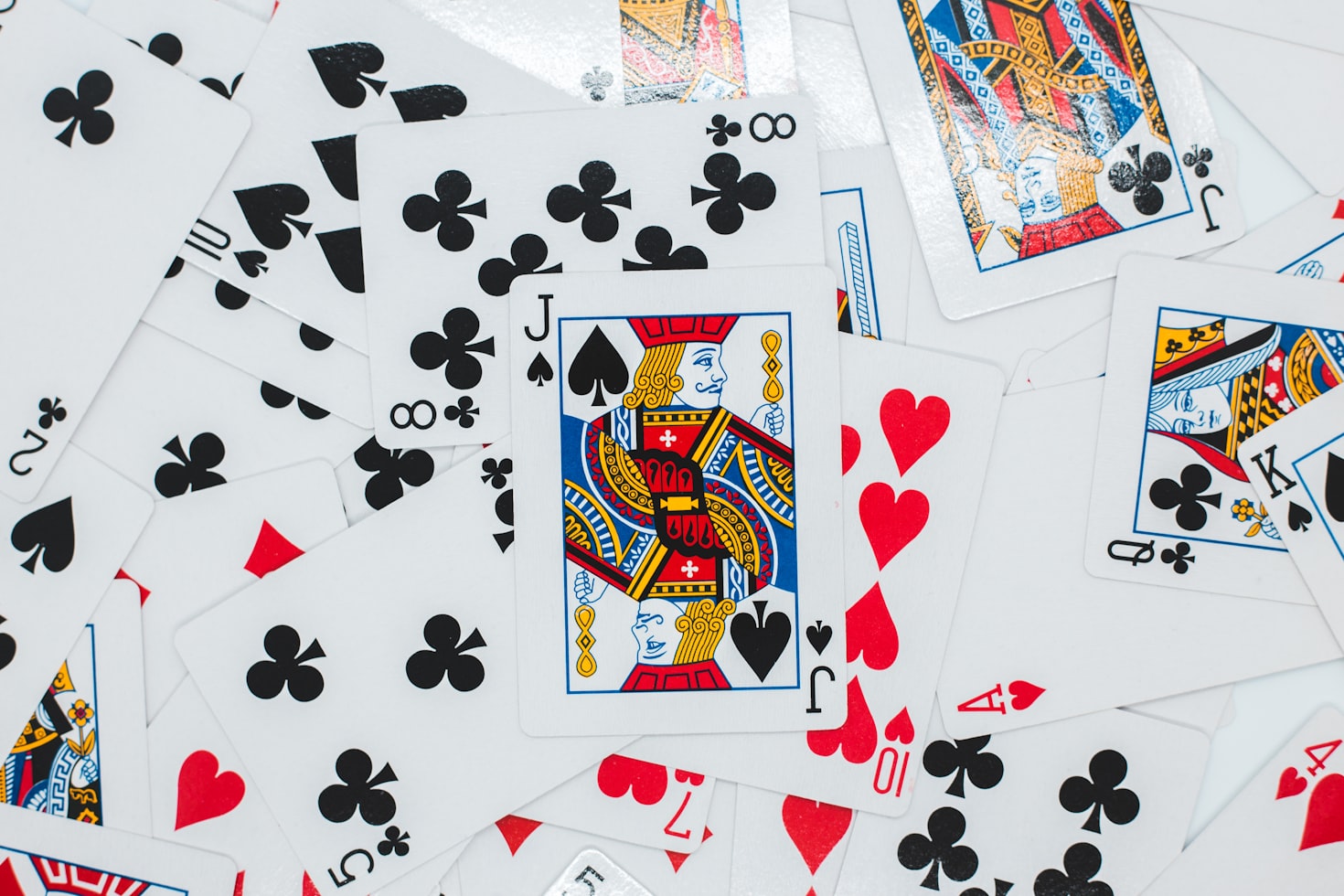
The development of playing cards in the 14th century introduced a new dimension to gambling. Games such as poker and blackjack began to take shape, gaining popularity among the European nobility. This period marked the transition of gambling from mere chance-based activities to more skill-oriented games, appealing to a wider audience. The allure of card games led to the establishment of formal gaming houses, foreshadowing the birth of modern casinos.
Moreover, the Renaissance era rekindled interest in gambling, with an increased focus on games of skill and chance. The invention of the printing press allowed for the widespread distribution of gaming rules and guides, making gambling more accessible. As societal attitudes shifted, gambling gradually regained acceptance, paving the way for its future mainstream popularity.
The Birth of Modern Casinos
The 17th and 18th centuries saw the formal establishment of casinos, beginning in Italy with the creation of the first official gaming house, the Ridotto, in Venice. This venue offered a controlled environment for gambling, featuring card games, dice, and more, attracting both the elite and commoners. The concept of the casino rapidly spread throughout Europe, becoming a symbol of luxury and sophistication.
In France, the gambling scene flourished with the introduction of games like roulette and baccarat, solidifying the casino’s role as an entertainment hub. The opulence of these establishments drew significant attention, and they soon became synonymous with high society. The industrial revolution further fueled the popularity of gambling, as urbanization led to the growth of casinos in major cities across Europe.
As the 19th century progressed, American gambling culture began to take shape. The Gold Rush in California brought a surge of prospectors and gamblers, leading to the establishment of iconic casinos in cities like San Francisco and later, Las Vegas. This marked the transition of casinos into a major component of tourism and entertainment, laying the foundation for the lavish resorts we see today.
The Psychological Aspects of Gambling
Understanding the psychology behind gambling is crucial to grasping its historical significance and contemporary relevance. Gambling inherently taps into the human desire for risk and reward, offering an escape from reality. The thrill of uncertainty is a powerful draw; players experience a rush of adrenaline, often resulting in a heightened state of arousal. This phenomenon can create an addictive cycle, compelling individuals to seek out more frequent and intense gambling experiences.
The concept of “near misses” plays a pivotal role in the psychology of gambling. Players often perceive that they are close to winning, even when they do not. This illusion can reinforce the desire to keep playing, as the brain registers the excitement of a potential win. This cognitive distortion highlights the complexity of human behavior in gambling and explains why many individuals find it challenging to walk away, even after losses.
Modern research also delves into the social and environmental factors influencing gambling behavior. For instance, the rise of online casinos has transformed how people engage with gambling, making it more accessible and often more isolating. The psychological impact of these changes has led to a surge in discussions about responsible gambling practices, highlighting the importance of awareness and support for individuals who may be struggling with gambling addiction.
Gambling Today: A Digital Revolution
The advent of the internet has revolutionized the gambling landscape, leading to the emergence of online casinos and betting platforms. This transformation has made gambling more accessible than ever before, allowing players to engage in their favorite games from the comfort of their homes. Online casinos offer a vast array of games, often featuring innovative technology and interactive elements that enhance the gaming experience.
With the convenience of mobile apps, the popularity of gambling continues to rise, attracting a diverse demographic that includes not only seasoned gamblers but also new players eager to explore the digital realm. The online gambling industry is projected to grow exponentially in the coming years, fueled by advancements in technology and an increasing number of jurisdictions legalizing online gaming.
However, this digital revolution also brings new challenges, particularly concerning regulation and player protection. As more people engage in online gambling, concerns about responsible gaming and addiction become paramount. Many online casinos are implementing measures to promote safe gambling practices, such as self-exclusion tools and deposit limits, striving to create a secure environment for players.

Exploring MrWildz Casino
Among the new entrants in the online gaming space, MrWildz Casino has made a significant impact since its launch in 2022. Offering an extensive library of over 4,000 slot games, it caters to a wide range of preferences and playing styles. This platform not only provides an exhilarating gaming experience but also prioritizes security and fairness, ensuring that players can enjoy their time without concerns about safety.
New users are greeted with attractive welcome bonuses that enhance their initial deposits, making it an enticing option for those looking to embark on a gambling adventure. With 24/7 customer support available, MrWildz Casino aims to provide a user-friendly experience, addressing any inquiries or issues players may encounter. This commitment to service further distinguishes it in the competitive online gaming market.
As gambling continues to evolve, platforms like MrWildz Casino are at the forefront, embracing technological advancements and changing player expectations. Whether you are a seasoned gambler or a newcomer, MrWildz Casino offers an exciting opportunity to explore the rich history and modern practices of gambling in a secure and enjoyable environment.

